
What Are Chakras?
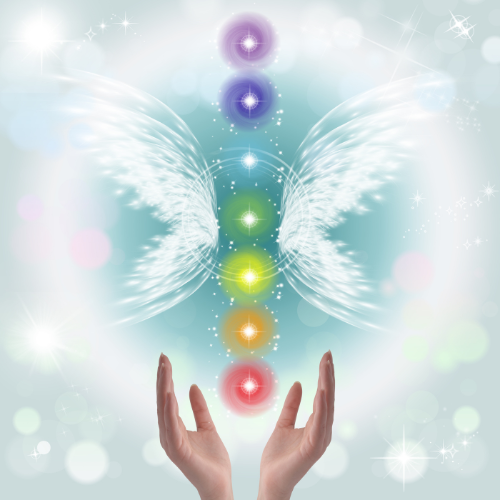
The term “chakra” comes from the Sanskrit word for “wheel” or “disk.” In essence, chakras are energy centers within the body that correspond to various physical, emotional, and spiritual aspects of our being. According to traditional teachings, there are seven main chakras, each located along the spine, starting from the base and moving upwards to the crown of the head. These chakras are:
- Root Chakra (Muladhara): Located at the base of the spine, it represents stability, security, and our foundational needs.
- Sacral Chakra (Svadhisthana): Positioned below the navel, it governs creativity, sexuality, and emotional fluidity.
- Solar Plexus Chakra (Manipura): Situated above the navel, it relates to personal power, confidence, and control.
- Heart Chakra (Anahata): Found at the center of the chest, it is the seat of love, compassion, and connection.
- Throat Chakra (Vishuddha): Located in the throat area, it controls communication, self-expression, and truth.
- Third Eye Chakra (Ajna): Positioned between the eyebrows, it is associated with intuition, insight, and inner wisdom.
- Crown Chakra (Sahasrara): At the top of the head, it represents spiritual connection, enlightenment, and higher consciousness.
How Chakras Affect Us
Chakras are believed to be interconnected with various aspects of our health and well-being. When these energy centers are balanced and functioning properly, we experience a sense of harmony and vitality. Conversely, blocked or imbalanced chakras can lead to physical ailments, emotional disturbances, or spiritual disconnection. For example:
- Root Chakra Imbalance: May cause feelings of insecurity, instability, or fear.
- Sacral Chakra Imbalance: Could lead to issues with creativity, sexuality, or emotional turbulence.
- Solar Plexus Chakra Imbalance: Might result in low self-esteem or a lack of control over one’s life.
- Heart Chakra Imbalance: Can manifest as difficulties in forming relationships or experiencing compassion.
- Throat Chakra Imbalance: May lead to challenges in communication or expressing oneself.
- Third Eye Chakra Imbalance: Might result in a lack of clarity or difficulty trusting one’s intuition.
- Crown Chakra Imbalance: Could cause a feeling of spiritual disconnection or lack of purpose.
Techniques for Chakra Healing
Healing your chakras involves various practices aimed at restoring balance and ensuring the free flow of energy. Here are some effective techniques:
1. Meditation
Meditation is a powerful tool for chakra healing. Guided meditations can help you focus on each chakra, visualize its color, and release any blockages. Techniques such as chakra visualization or mantra meditation can also be beneficial. For example, repeating specific sounds (or mantras) associated with each chakra can help in their alignment.
2. Yoga
Yoga poses (asanas) can help activate and balance your chakras. Poses that focus on grounding, flexibility, and opening specific energy centers are particularly effective. For instance, Warrior poses are great for the Root Chakra, while heart-opening poses like Camel Pose can benefit the Heart Chakra.
3. Crystal Healing
Crystals are often used to help balance and align the chakras. Each chakra is associated with specific crystals. For example, amethyst is commonly used for the Crown Chakra, while citrine can support the Solar Plexus Chakra. Placing these crystals on the corresponding chakra points or carrying them with you can enhance your healing process.
4. Sound Therapy
Sound therapy involves using sound frequencies to heal and balance the chakras. Singing bowls, tuning forks, and even chanting can help resonate with the energy of each chakra. Each chakra has a specific frequency or note that can aid in its healing.
5. Affirmations
Affirmations are positive statements that can help reprogram your subconscious mind and address chakra imbalances. For instance, affirmations like “I am grounded and secure” for the Root Chakra or “I express myself clearly and openly” for the Throat Chakra can support healing efforts.
6. Essential Oils
Aromatherapy using essential oils can also play a role in chakra healing. Oils like sandalwood, lavender, and frankincense can help align and energize the chakras. Diffusing these oils or applying them topically (with a carrier oil) can be soothing and balancing.
Embracing Chakra Healing
Chakra healing is a deeply personal journey, and it may take time to find the practices that resonate most with you. Integrating these techniques into your daily life can lead to profound changes in how you feel, interact with others, and connect with your inner self.
Remember, the goal of chakra healing is not only to address imbalances but also to cultivate a greater awareness of yourself. As you explore these practices, you may find a new sense of clarity, peace, and fulfillment. So, embark on this journey with an open heart and a curious mind, and allow the ancient wisdom of chakra healing to guide you toward a more balanced and harmonious life.